


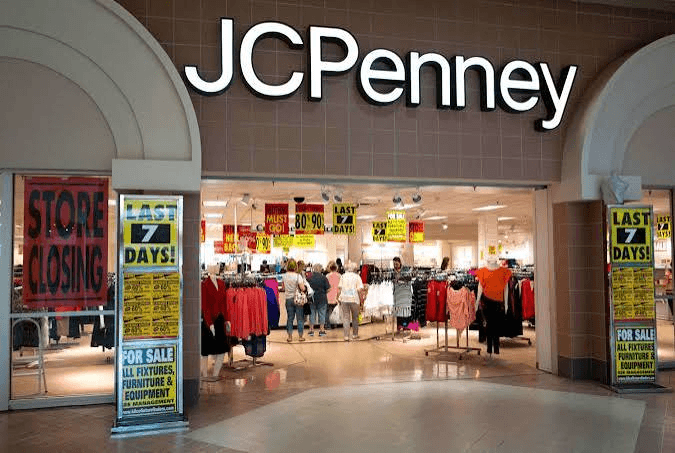


If you’ve walked into a JCPenney recently and seen “going out of business” signs with deep discounts, it’s easy to assume the chain is done. But those signs are only telling part of the story.
Here’s what’s actually happening: a small number of JCPenney stores are closing, but the company itself is not shutting down. There’s a real difference between those two things, and it’s worth understanding before you panic — or miss out on a good deal.
This article covers whether JCPenney is closing as a company, which specific stores are shutting down in 2026, why those closures are happening, and what you should do if your local store is affected.
JCPenney Is Not Closing as a Company — But It Is Getting Smaller
As of mid-2026, JCPenney still operates roughly 640 to 641 stores across all 50 U.S. states. The company is not in bankruptcy, not in liquidation, and has not announced a chain-wide shutdown.
What’s happening is more routine than the headlines suggest. A handful of individual stores are closing — mostly due to lease issues and underperforming mall locations. That’s very different from the entire business going under.
Think of it like a restaurant chain that closes a few slow locations while keeping hundreds of others open. It’s restructuring, not dying. JCPenney is still launching new product lines, running promotions, and operating stores in every state. That’s not what a company in its final days looks like.
The confusion comes from store-level “going out of business” sales, which are real but local. When a single store closes, it holds a liquidation sale with steep discounts. Those signs get attention and create the impression that the whole chain is collapsing — but that’s not the case.
Which JCPenney Stores Are Actually Closing in 2026
At least six to seven stores have been confirmed closed or scheduled to close in 2026. This is a much smaller wave than 2020, when over 150 stores shut down during bankruptcy.
Here are the confirmed 2026 closures based on current reporting:
- Pleasanton, CA (Stoneridge Shopping Center) — Closed February 22, 2026
- Sanford, FL (Seminole Towne Center) — Closed May 24, 2026
- Springfield, VA (Springfield Town Center) — Closed May 24, 2026, after 53 years of operation
- Goodlettsville, TN (Rivergate Mall) — Already closed in 2026
- Chicago, IL (Ford City Mall) — Listed among closed 2026 locations
- Pittsburgh, PA (Ross Park Mall) — Expected closure around September 20, 2026, when its lease ends
- Fort Worth, TX (Ridgmar Mall) — Scheduled to close November 1, 2026
These numbers could shift. Local news and WARN Act filings (which employers must file before large layoffs) often reveal final closing dates before the company makes a formal announcement. The closure list is fluid, so treat it as a current snapshot rather than a final count.
If you want to check your specific location, use the JCPenney store locator on their website and cross-reference with local news. That’s the most reliable way to find out if your store is affected.
Why These Stores Are Closing — Leases, Malls, and Shifting Habits
Most of the 2026 closures come down to one thing: leases. When a lease expires and the terms no longer make financial sense, JCPenney is choosing to walk away rather than renew.
The Pleasanton, CA store closed because JCPenney said it couldn’t continue under its current lease terms and couldn’t find a suitable alternative location nearby. The Springfield, VA store — which had operated for 53 years — closed for the same reason. Catalyst Brands, which now operates JCPenney, cited lease economics directly.
Mall foot traffic has been declining for years across the country. JCPenney is heavily tied to malls, so when a mall struggles, its anchor stores often follow. A JCPenney in a half-empty mall with declining customer traffic is expensive to operate and hard to justify keeping open.
The strategy is to focus on stronger markets and the online side of the business, rather than renewing leases on stores that aren’t pulling their weight. That’s a straightforward business decision, even if it’s disappointing for shoppers in affected areas.
JCPenney’s 2020 Bankruptcy Left a Smaller Chain — This Is the Continuation
To understand what’s happening now, it helps to know the recent history. JCPenney filed for bankruptcy in May 2020. As part of its restructuring, it announced 154 store closures that year. By the time the process was complete, roughly 200 stores had closed nationwide.
After the bankruptcy, mall owners and investors took over operations to keep the chain alive. Then, in January 2025, Catalyst Brands merged JCPenney with the SPARC Group, bringing multiple retail brands under one umbrella.
The 2026 closures are not a new crisis — they’re a continuation of the same pattern. The chain is still trimming locations that no longer make sense, especially in struggling malls. What’s different from 2020 is the scale. We’re talking about a handful of stores this year, not 150-plus.
There is one note of uncertainty worth mentioning. Reports have referenced a failed deal with Onyx Partners, which adds some question marks about JCPenney’s long-term capital strategy. That situation is worth watching, but it has not led to any announced chain-wide closure program as of mid-2026.
Signs the Company Is Still Operating Normally
It’s worth pointing out what a company in genuine collapse looks like versus what JCPenney looks like right now. A company on its way out stops investing in new products, cuts marketing, and stops renewing any leases.
JCPenney has been doing the opposite in other areas. It ran a Valentine’s Day jewelry exchange event with a “Perfect Ex-Cuse” discount campaign earlier in 2026. It also brought Laura Ashley Home products into physical stores for the first time, after previously selling them online only.
These are not the moves of a company getting ready to liquidate everything. They’re the moves of a company still trying to attract customers and stay relevant.
What Shoppers Should Do Right Now
If your local JCPenney is on the closure list, there are a few practical things to know.
Liquidation Sales Are Real — But Read the Fine Print
Closing stores run deep discounts, sometimes reaching 50% to 90% off in certain departments. The Fort Worth Ridgmar Mall location, for example, was advertising “nothing held back” discounts starting at 20% to 50% off. Those deals are genuine.
But once a store switches to full liquidation mode, returns are typically no longer accepted. The Fort Worth store moved to “all sales final” after mid-July 2026. If you’re shopping a closing sale, know that you’re likely stuck with whatever you buy.
Use Gift Cards and Rewards Before the Store Closes
If you have JCPenney gift cards or credit card rewards and your local store is closing, use them before the final day. Gift cards are generally still valid at other open locations, but it’s smart to not wait and find out the hard way.
Check Your Store’s Status Directly
The JCPenney store locator on their website is the quickest way to check if your location is still open. Pair that with a quick search for your store name plus “closing 2026” in local news to get the most current information.
For anyone tracking broader retail trends and business news, Business Regards covers stories like this in plain language without the sensational framing.
The Bottom Line
JCPenney is not going out of business as a company. It still runs around 640 stores across the U.S. and is actively operating, marketing, and managing its retail footprint.
What is happening is a steady, ongoing reduction in store count — particularly in malls with declining traffic and locations where lease terms no longer work. In 2026, that means at least six to seven confirmed closures, with more possible as leases come up.
If your local store is closing, take advantage of the liquidation discounts but understand the return policy changes. If your store is still open, it’s business as usual — at least for now.
The chain has real challenges ahead, and the retail environment is not getting easier. But “closing some stores” and “going out of business” are not the same thing, and it’s worth keeping that distinction clear.
Also Read This :