



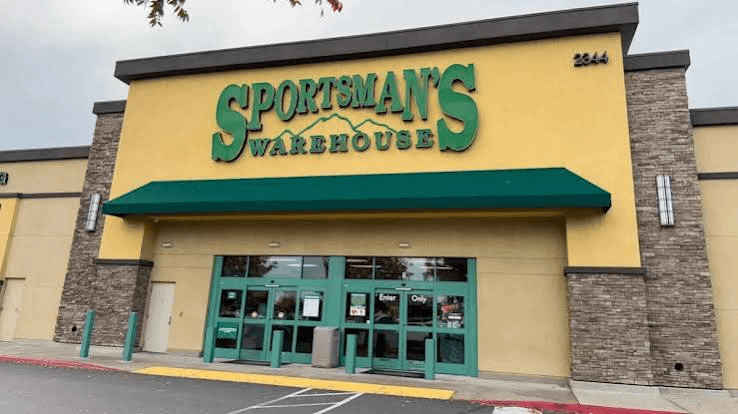


Sportsman’s Warehouse has been closing stores, selling locations, and dealing with mounting debt. That combination has a lot of customers, employees, and investors asking the same question: is the whole company going under?
The short answer is no — not yet, and not entirely. But the situation is genuinely serious, and it’s worth understanding what’s actually happening before drawing conclusions from rumors or headlines.
Sportsman’s Warehouse Is Not Closed, But It Is Under Serious Pressure
As of the most recent reporting, Sportsman’s Warehouse has not filed for bankruptcy and has not shut down completely. The company still operates stores across multiple U.S. states, with a heavy presence in the western part of the country.
Historically, the chain ran around 148 stores across 32 states. California, Colorado, and Utah were among its biggest markets. The company is an American outdoor sporting goods retailer selling hunting, fishing, camping, shooting, and outdoor recreation gear.
That said, this is not business as usual. The company is under real financial stress. “Restructuring” and “going out of business” are two different things — but restructuring can turn into something worse if things don’t stabilize.
Because this situation is still developing, check the company’s recent press releases or SEC filings for the most current status. Things can change quickly in a retail restructuring.
Which Stores Are Closing and Why
Here’s what the reporting actually shows. Sportsman’s Warehouse announced plans to close 23 stores as part of a debt-reduction effort. On top of that, 15 locations are being sold to UFA Co-operative Limited, a Canadian company based in Alberta and British Columbia.
In November 2024, Sportsman’s Warehouse also agreed to sell a majority interest in the company to UFA. That’s a significant development — it means new ownership is taking the wheel on a large portion of the business.
Separately, a company press release tied to fiscal year 2025 financials identified roughly five locations as candidates for closure due to poor performance and lack of profitability.
Put all of that together and you’re looking at a meaningful reduction in store count — but not a total shutdown. Think of it like pruning a tree. You cut the branches that aren’t growing so the rest of the tree has a better chance of surviving. A store in a smaller market that loses money gets cut. Stores in stronger markets stay open. The online business continues.

That’s a very different picture from a company turning off the lights entirely.
The Financial Problems Behind the Store Closures
To understand why this is happening, you need to look at the numbers. Management described 2024 as a “reset year” — their own language for admitting the business had overextended and needed to pull back hard.
Fourth quarter sales dropped roughly 8% compared to the same period the prior year. Both revenue and profit declined noticeably as the company entered 2024. By late November 2024, total debt sat at approximately $170 million.
Analytics firms estimated a 36% probability of bankruptcy at that point. That number sounds alarming, but it’s important to understand what it actually means. It reflects elevated risk compared to a financially healthy retailer — it does not mean collapse is certain or even likely. It’s a risk estimate, not a prediction.
To address the pressure, management cut about $25 million in indirect costs. They’ve also focused on paying down debt and tightening inventory controls.
A useful way to think about it: imagine a household that took on too much credit card debt. They’re not going bankrupt tomorrow, but they need to act fast. So they sell some assets, cut their spending, and focus on what matters most. That’s roughly what Sportsman’s Warehouse is doing — selling stores to UFA, cutting costs, and trying to stabilize before the debt becomes unmanageable.
Whether that plan works depends on how fast they can execute and whether sales stop declining.
External Pressures Making the Turnaround Harder
The financial problems didn’t happen in isolation. Several outside forces are making a recovery harder for this type of retailer.
Firearms and Ammunition Regulations
A significant portion of Sportsman’s Warehouse revenue comes from firearms, ammunition, and related gear. This makes the company more exposed to regulatory changes than a general sporting goods retailer would be.
If legislation restricts what products the company can sell, or increases compliance costs, that hits the bottom line directly. Think of it like a pharmacy that has to adjust its entire inventory when prescription drug regulations change. Sportsman’s Warehouse faces that same kind of risk — and it’s an ongoing one, not a one-time event.
Consumer Spending Pullback
Outdoor gear is a discretionary purchase. When household budgets tighten, people delay buying new hunting equipment, fishing gear, or camping supplies. That hurts the entire outdoor retail sector, not just Sportsman’s Warehouse.
When consumer confidence drops, specialty retailers like this one often feel it faster than big-box stores that sell essentials alongside discretionary goods.
Competition and Margin Pressure
Sportsman’s Warehouse competes with large big-box retailers and online sellers that have far more buying power and lower operating costs. Competing on price in that environment is difficult, especially when your own margins are already shrinking.
Supply Chain and Compliance Costs
The company’s SEC filings flag supply chain disruptions and data privacy obligations as additional operating risks. These aren’t dramatic headline risks, but they add costs and complexity to running the business at a time when the company can least afford it.
All of these pressures together explain why niche outdoor retailers face a tougher road than they did five years ago — and why Sportsman’s Warehouse is in a particularly exposed position.
What This Means for Customers
If your local Sportsman’s Warehouse is on the closure list, here’s what you practically need to know.
- Gift cards and loyalty points are typically honored at remaining store locations or through the company’s online platform. Confirm this directly with the company before assuming.
- Warranties and returns on products should still be handled at open locations or online, but policies can shift during a restructuring — check before you need to use them.
- Regional access will change for some customers. A hunter in a smaller city might lose their closest store but may still have options at a nearby city or through online ordering.
The brand and the online operation are continuing. Local availability, however, is becoming more limited as underperforming stores close.
What This Means for Employees
Store closures mean job losses for workers at affected locations. In some cases, employees may be able to transfer to nearby stores that remain open. With 15 locations being sold to UFA rather than shut down entirely, some jobs may carry over under new management — but that’s not guaranteed for every role.
If you work at an affected store, the most useful thing you can do right now is ask HR directly about transfer options and get any promises in writing.
What Investors Should Watch
For anyone holding SPWH stock or considering it, the key things to track are whether same-store sales stabilize, how quickly the company reduces its debt load, and whether the UFA deal closes smoothly.
The store closure program is a normal part of retail restructuring. The question is whether cutting the underperforming locations is enough to make the remaining business profitable, or whether deeper problems remain.
For a broader look at how businesses navigate situations like this, Business Regards covers retail, finance, and business strategy in practical terms worth bookmarking.
Investors should also watch SEC filings closely, since any material change — including a bankruptcy filing or a completed acquisition — would be disclosed there first.
The Bottom Line
Sportsman’s Warehouse is not going out of business right now. It is, however, going through a serious and genuine restructuring — closing 23 stores, selling 15 more to a Canadian company, dealing with roughly $170 million in debt, and working to cut costs fast enough to survive.
The 36% bankruptcy probability estimate is a real warning sign. Management’s “reset year” framing is honest, but reset years only work if the cuts are deep enough and the sales eventually stabilize.
The difference between a retailer that restructures and survives versus one that eventually collapses usually comes down to whether the core business is still profitable once the underperforming parts are removed. That question is still being answered for Sportsman’s Warehouse.
Watch the company’s press releases and SEC filings for the most current information. Don’t rely on social media rumors or outdated store lists — the situation is moving fast enough that yesterday’s news may already be out of date.
Also Read This :