



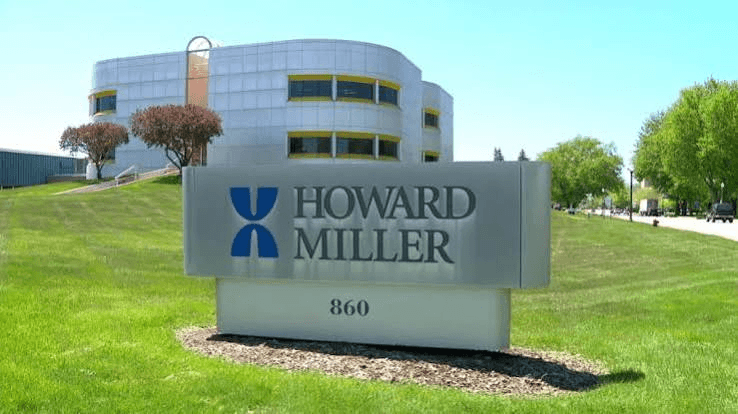


In July 2025, Howard Miller announced it was shutting down after nearly a century in business. Then, weeks later, the company said it wasn’t closing after all. If you’ve seen conflicting headlines, that’s exactly why.
This article breaks down what actually happened — the closure announcement, the reasons behind it, what the wind-down looked like in practice, and what the company’s current status is. Whether you’re a shopper, a collector, or just curious, here’s the full picture in plain language.
The Short Answer: Howard Miller Is Not Permanently Closed
Let’s get straight to it. Howard Miller announced a wind-down in July 2025, but that is not the final chapter.
The company later confirmed publicly that it is “no longer going out of business” and will continue operating under new ownership. That reversal came after the original closure news had already spread widely, which is why you’ll find contradictory stories depending on when an article was written.
If you read a headline saying Howard Miller is closing, that story likely reflects the July 2025 announcement. It does not reflect the current status. The company was acquired and is continuing as a brand.
A Brief History of Howard Miller
Howard Miller is based in Zeeland, Michigan. The company operated for close to 100 years as a family-owned business — it was in its third generation of family ownership before the recent change in control.

The company is best known for grandfather clocks. It has been described as the world’s largest manufacturer of grandfather clocks, which gives you a sense of its scale and reputation in that market.
Beyond clocks, Howard Miller also produced a range of home furnishings. It wasn’t a small niche operation — it was a significant Michigan manufacturer with a long track record. That’s exactly why the closure announcement made news in the first place.
Why Howard Miller Said It Was Closing
The July 2025 announcement didn’t point to one single cause. Company leadership cited a combination of economic pressures that built up over time.
- Inflation raised the cost of running the business across the board.
- Tariffs drove up the price of imported materials and components.
- A weak housing market cut into demand — when fewer people are buying homes, fewer people are buying large furniture and grandfather clocks.
- Rising interest rates made that housing slowdown worse.
- Supply-chain disruptions added more pressure on top of everything else.
The company also said it had tried to find a buyer during the wind-down period. At the time of the initial announcement, no buyer had been secured.

This is a useful real-world example of how several economic forces can hit a manufacturer at once. None of these problems alone would necessarily sink a 100-year-old company. But inflation, tariffs, and a housing slump all landing together is a different situation entirely.
What the Wind-Down Actually Looked Like
After the July 2025 announcement, Howard Miller didn’t immediately shut its doors. The company said it would keep operating into 2026 to fulfill existing orders and sell through remaining inventory.
Then, in early 2026, reports surfaced that the company was liquidating manufacturing equipment. Some outlets covered that equipment sale as confirmation that Howard Miller was done. And at that point in the timeline, it looked that way.
Here’s where the confusion comes in. The wind-down period — inventory sales, equipment liquidation — happened close in time to the acquisition that ultimately reversed the closure. Two separate events, covered by two separate waves of reporting, produced stories that look like they’re contradicting each other.
They’re not really contradictions. They’re snapshots taken at different points in a fast-moving situation. The liquidation reporting captured what was happening during the transition. The later ownership announcement is what came after.
Who Owns Howard Miller Now
Howard Miller was acquired by the Huizenga Group. That acquisition is what reversed the closure.
The company’s own public statement made it clear: Howard Miller is not closing and will continue operating under new ownership. The Facebook post from the company’s official page stated this directly, which makes it the clearest primary source available on current status.
What exact operations look like now — factory output, staffing levels, specific product lines — isn’t fully detailed in available reporting. It would be inaccurate to make specific promises about what’s being manufactured or at what scale. What can be said with confidence is that the brand exists, it was not permanently shut down, and a buyer was found.
For a shopper or collector asking “is Howard Miller dead as a brand?” — the answer is no. The brand continues. For more detailed questions about current product availability or dealer relationships, contacting the company directly would be the most reliable path.
What This Means for Shoppers, Collectors, and Dealers
If you were thinking about buying a Howard Miller clock or piece of furniture, the closure news should not automatically stop you. The brand is continuing under new ownership.
That said, it’s worth being aware that the company went through a significant transition. During the wind-down period, inventory was being sold off and equipment was liquidated. The business coming out the other side under the Huizenga Group may look different from the Howard Miller that operated before July 2025.
For collectors, the transition doesn’t make existing Howard Miller pieces less valuable. Clocks made during the company’s nearly 100 years of operation carry their own history regardless of what happens at the ownership level.
For dealers and retailers who carried Howard Miller products, the practical step is to reach out to the company directly to understand what the current supplier relationship looks like under new ownership. Don’t assume the old terms or product catalog are still in place without confirming.
The Howard Miller story is also a good reminder for anyone in the furniture or home goods space. Demand for large, expensive home items like grandfather clocks is closely tied to the housing market. When home sales drop and interest rates rise, that category feels it quickly. Businesses tracking those suppliers should factor housing data into their planning.
For more practical business analysis like this, Business Regards covers situations where economic shifts affect real companies and what those changes mean on the ground.
The Bottom Line
Howard Miller announced it was closing in July 2025 after citing inflation, tariffs, a weak housing market, and supply-chain problems. During the wind-down, the company continued fulfilling orders into 2026 and began liquidating equipment in early 2026.
Then the Huizenga Group acquired the company. Howard Miller publicly stated it was no longer going out of business and would continue under new ownership.
The conflicting coverage you’ve seen online reflects two separate phases of that story — not an error, just a situation that moved quickly. The current status is that Howard Miller is not permanently closed. The brand is continuing, though the full shape of its post-acquisition operations is still becoming clear.
If you have a specific question — whether you’re buying, selling, collecting, or just tracking the business — the most useful step is to check directly with Howard Miller rather than rely on coverage that may only reflect one phase of what turned out to be a two-part story.
Also Read This :