



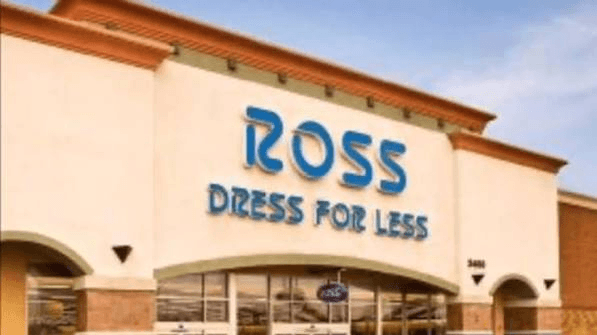


If you recently saw a Ross store close near you, or came across a YouTube video warning that Ross is shutting down, it’s easy to panic. But before you write off your favorite discount retailer, here’s the straightforward answer: Ross Dress for Less is not going out of business.
This article breaks down where the rumor comes from, what recent store closures actually mean, how the company is performing financially, and how to check on your local store.
Ross Is Not Going Out of Business
There is no bankruptcy filing. There is no nationwide closure. No credible source as of 2025–2026 has reported that Ross Stores, Inc. is shutting down.
To put the company’s size in perspective: as of July 2024, Ross operates 1,795 stores across 43 states, plus Washington D.C., Puerto Rico, and Guam. It is the largest off-price retailer in the United States.

In fiscal 2025, Ross brought in $22.8 billion in revenue — a record high. Companies on the edge of collapse don’t post record revenue. They also don’t open new stores, which Ross is actively doing right now.
The short version: Ross is not shrinking. It is growing.

Where the Rumor Comes From
The confusion has a few clear sources, and none of them are current.
COVID-19 Closures in 2020
In early 2020, Ross temporarily closed every single store in the country due to pandemic lockdowns. The company also furloughed most of its store and distribution center employees. That was a real disruption — but it was temporary.
Ross planned to reopen stores in early April 2020 but couldn’t due to continued restrictions. Once lockdowns lifted, stores reopened and the company moved forward. The problem is that some of the videos and articles from that period are still floating around online, and people stumble across them years later without realizing how old the information is.
Merchandise Order Cancellations
A YouTube video made the rounds claiming that Ross and its sister chain dd’s Discounts had canceled all merchandise orders through June 18. The creator framed this as a possible “going out of business” signal. In reality, this was a COVID-era supply chain decision — a temporary pause in ordering during an unprecedented economic shock, not a sign that the company was collapsing.
Large retailers adjust or pause orders during disruptions all the time. It’s a cash management move, not a shutdown announcement.
Liquidation Calendar Confusion
A “leaked calendar” circulated online showing a Ross liquidation event starting January 27. This sounds alarming until you understand what it actually refers to: a routine annual inventory clearance. Retailers regularly discount and clear old stock to make room for new merchandise. This is not the same as a company liquidating its assets because it’s closing forever.
Individual Store Closures Going Viral
When a specific Ross location closes, local community pages share the news. Those posts get picked up and reshared without the important context that the rest of the chain is still open. A single post saying “Ross is closing” doesn’t tell you whether it’s one store or one thousand.
What Recent Store Closures Actually Mean
Some Ross locations have genuinely closed recently, and it’s worth being honest about that.
On January 16, 2026, two Seattle-area Ross stores shut down permanently — the downtown location at 301 Pike Street, which had been open for over three decades, and the Ballard store at 1416 NW Ballard Way, which had been open for nearly 12 years. Two Honolulu locations at a mall on Keeaumoku Street also closed in the same general timeframe.
These closures are real. They affect real employees and shoppers who relied on those stores. That matters.
But here’s the context that viral posts leave out:
- Hawaii still has 15 Ross stores operating across the state despite the two Honolulu closures.
- Seattle still has Ross locations on Rainier Ave S, in West Seattle, and at 132nd & Aurora.
- Ross opened 17 new stores in early 2026 and has plans to open around 110 more throughout the year.
Think of it like pruning a tree. Removing a few branches doesn’t mean the tree is dying. Sometimes it’s exactly what helps the tree grow in better directions. Large retailers constantly evaluate which locations are performing and which ones have run their course — whether due to a lease expiring, a neighborhood shifting, or a store simply not hitting sales targets. Closing those stores is normal portfolio management, not evidence of failure.
Ross’s Expansion Plans Tell a Different Story
If Ross were quietly preparing to wind down operations, you wouldn’t expect to see aggressive expansion plans. But that’s exactly what the data shows.
Ross opened 17 new stores in the first part of 2026 and plans to open roughly 110 more throughout the fiscal year. That’s not the behavior of a company in trouble. That’s a company investing in growth.
On the financial side, Q1 2025 net profit came in at $479 million. That’s down about 2% from the same quarter in 2024, and comparable store sales were flat year over year. A slight dip like that is completely normal. It doesn’t indicate a company in freefall — it indicates a company navigating a tough retail environment like everyone else in the industry.
Off-price retailers like Ross, TJ Maxx, Marshalls, and Burlington have generally held up better than traditional department stores during economic uncertainty. Shoppers who are watching their budgets tend to look for deals, which plays directly into what Ross offers. That resilience is part of why Ross’s revenue hit a record in fiscal 2025 even as other parts of retail struggled.
Store-Level Closing vs. Company-Wide Shutdown
This distinction is worth spelling out clearly, because it causes a lot of confusion.
When an individual Ross store closes, it might run a store-level “going out of business” sale to clear remaining inventory. You’ll see signs in the windows, deep discounts on merchandise, and eventually an empty building. That’s a store closing, not the company closing.
A company-wide shutdown looks completely different. It involves bankruptcy court filings, press coverage across every major news outlet, and simultaneous closures across hundreds or thousands of locations. Think of what happened with Bed Bath & Beyond or Sears — that kind of collapse is impossible to miss.
Ross has not filed for bankruptcy. Its stores are not simultaneously locking their doors. Its corporate offices are still functioning. The company is still hiring. None of the markers of a real chain-wide collapse are present.
How to Check on Your Local Ross Store
If you’re worried about a specific location, here are practical steps that take about five minutes:
- Use the official Ross store locator at the Ross Dress for Less website. If your store is still open, it will appear there.
- Call the store directly. If you’re close enough to care, a quick phone call gives you a real answer.
- Check local news or neighborhood social media pages. Community groups like MyBallard in Seattle often post store closure announcements well in advance.
- Look for landlord or real estate announcements. When a retailer leaves a major shopping center, the property owner often announces it publicly.
What you should not do is rely on a YouTube video with a clickbait title or a Facebook post shared without any source or date. That’s where most of this confusion starts. For reliable business analysis and retail news, resources like Business Regards can help you cut through the noise and get accurate information.
The Bottom Line
Ross Dress for Less is not going out of business. The company posted record revenue in fiscal 2025, is opening over 100 new stores in 2026, and shows no signs of a chain-wide shutdown.
Some individual stores have closed — in Seattle, Honolulu, and likely other cities — and that’s real. But closing a handful of underperforming or lease-expired locations while simultaneously expanding elsewhere is just how large retailers operate. It’s not a warning sign. It’s business as usual.
If your local store closed, that’s genuinely frustrating. But the chain itself isn’t going anywhere.
Also Read This :